
LabsCubed Knowledge Hub
Here, you'll find comprehensive articles and resources on tensile testing and laboratory automation. We share insights on how to implement automated solutions to save time, achieve higher data consistency, and effectively minimize human error in your lab operations.
Factors Affecting Tensile Strength of Polymers: A Guide
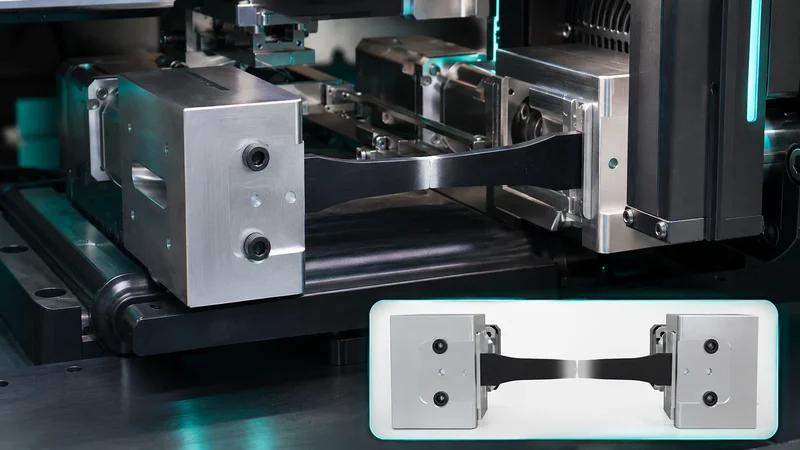
Molecular weight, crystallinity, temperature, and even the test setup affect polymer tensile strength. See what drives values, and how to test them accurately.
High-Density Polyethylene Tensile Strength: Values & Testing
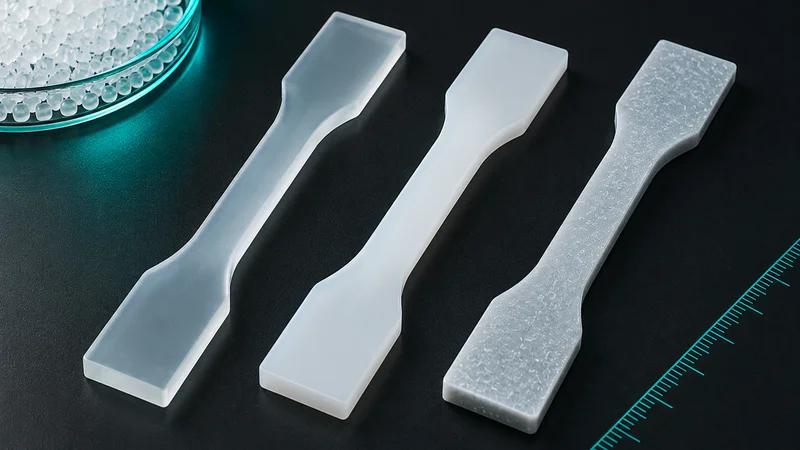
HDPE tensile strength typically runs 20-37 MPa. Learn yield vs ultimate values, ASTM D638 methods, and automation's role in QA.
Elastomer Hardness: Shore A, IRHD & How to Measure It
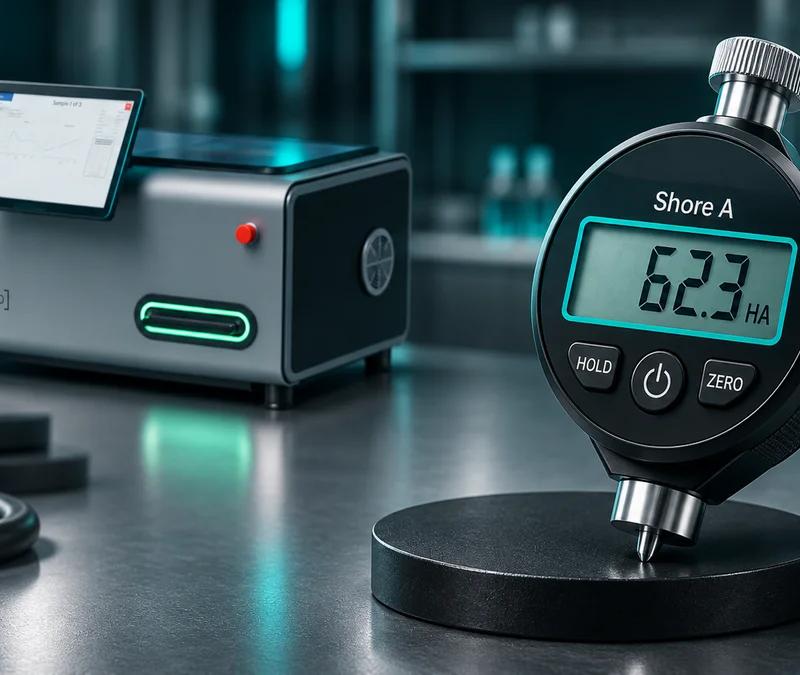
Elastomer hardness explained: Shore A vs IRHD, typical Shore A ranges for each rubber type, the ASTM D2240 rules, and why readings drift between operators.
EPDM Rubber Shore Hardness: Ranges, Testing & QA Guide
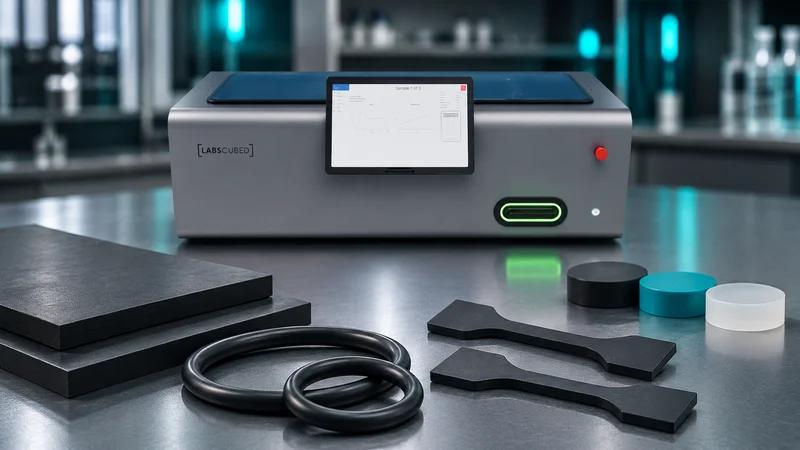
EPDM rubber Shore hardness typically runs 30-90 Shore A. See typical ranges by application, the ASTM D2240 test rules, and how automation cuts operator drift.
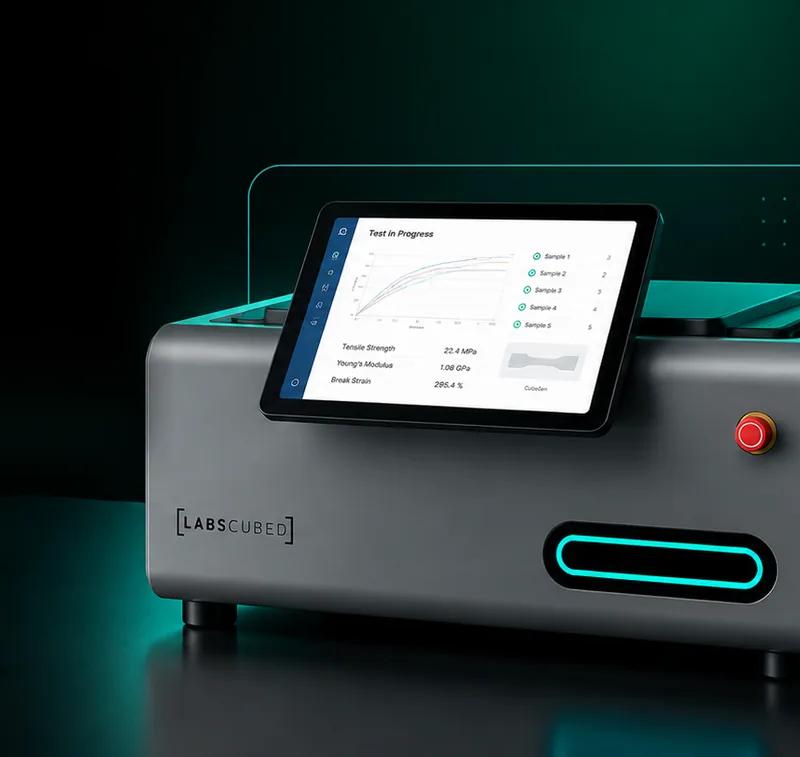
The Hidden Cost of Manual Plastics Testing: Why the Entire Testing Workflow Matters
LabsCubed explores the hidden costs of manual plastics testing, including sources of testing variation, operator-dependent processes, and laboratory inefficiencies. Discover how integrated tensile testing automation can help laboratories improve repeatability, reduce manual intervention, and make better use of testing capacity. Explore the discussion and see how CubeTen approaches the complete testing workflow.
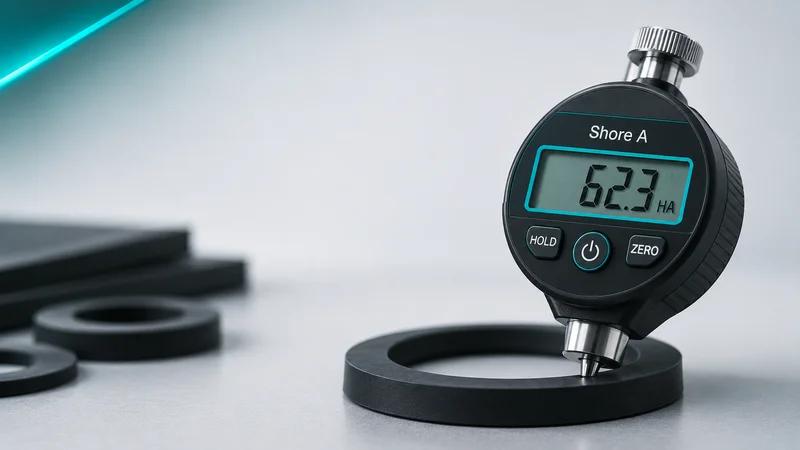
Shore Hardness Tester for Rubber: How to Choose One
Compare Shore hardness testers for rubber: durometer types, ASTM D2240 rules, test stands, and how to cut operator variability. Get a quote from LabsCubed.
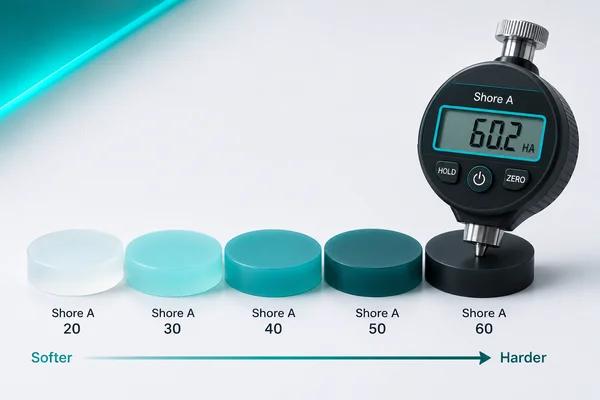
Silicone Rubber Shore Hardness: The Complete Guide
Silicone rubber Shore hardness explained: the Shore A scale, the durometer test, common errors, and how automation cuts operator variability. Get a quote.
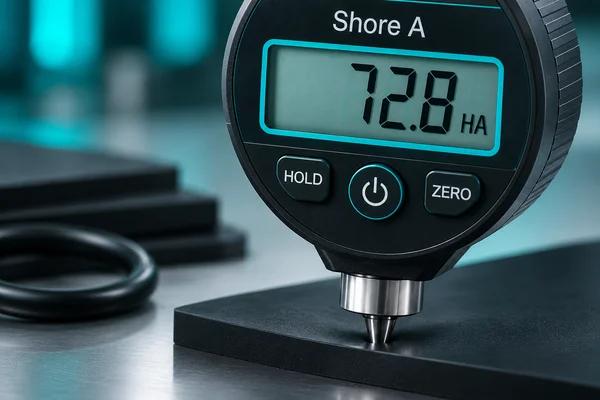
NBR Rubber Hardness: Shore A Ranges & How to Test It
NBR rubber hardness typically runs 30-95 Shore A per ASTM D2240. Learn typical values, how to measure it, and how automation cuts operator variability.
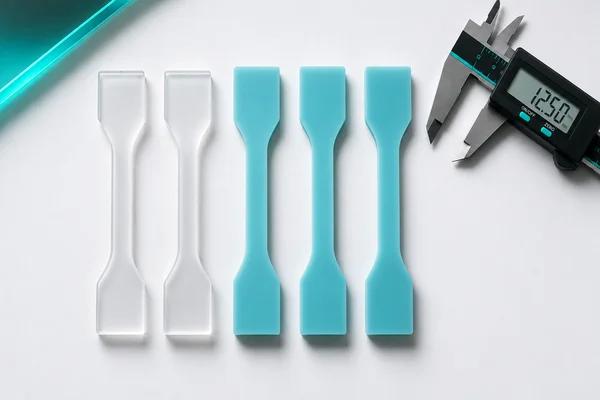
Mechanical Tests for Polymers: Methods & Automation
The mechanical tests for polymers, explained — tensile, flexural, impact, hardness, plus ASTM and ISO standards and where automation reduces variability.
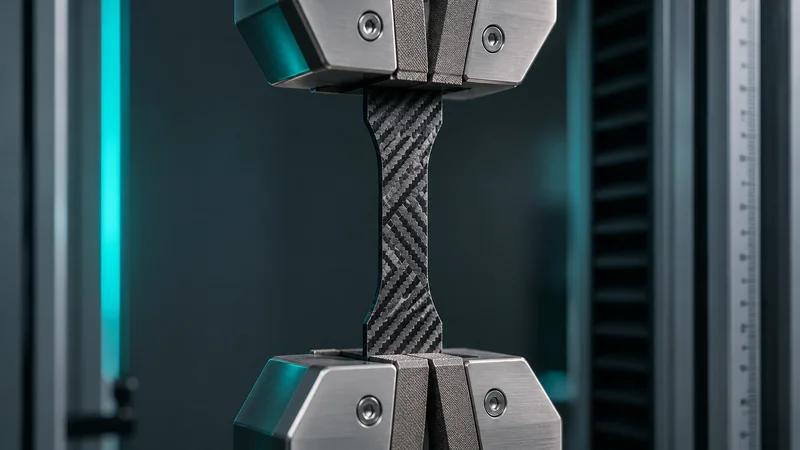
ASTM D3518 Composite Shear Testing: A Practical Guide
ASTM D3518 measures composite in-plane shear via ±45° tensile testing. Learn setup, alignment traps, and how to automate D3518 for repeatable results.
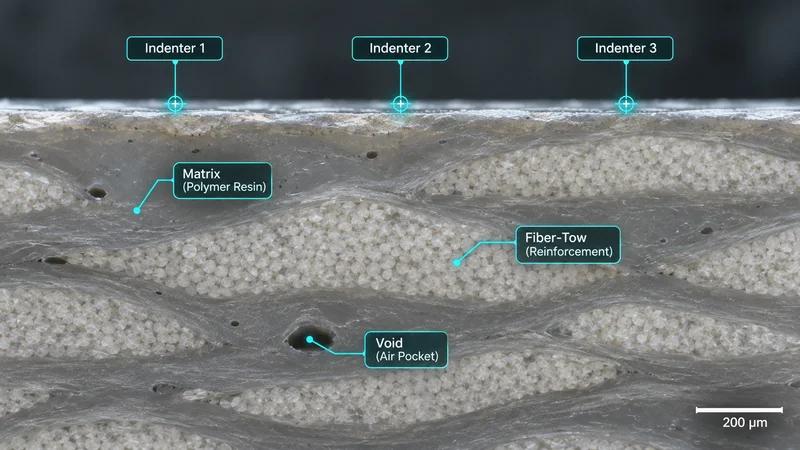
Mechanical Properties and Testing of Polymers: QA Guide
Learn how to measure the mechanical properties of polymers to ASTM/ISO — tensile, flexural, hardness, impact — and cut lab variability. Read the full guide.
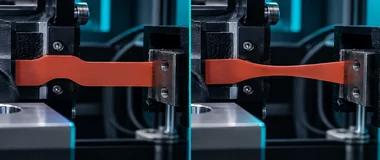
Tensile Tester: Types, How It Works & When to Automate
A tensile tester pulls a specimen to break and reports strength, modulus, and elongation. Learn the types, ASTM standards, and when to automate. Book a demo.