
Automated tensile testing for polymer and rubber labs.
ISO- and ASTM-compliant automation that delivers repeatable results and frees your team from repetitive testing.
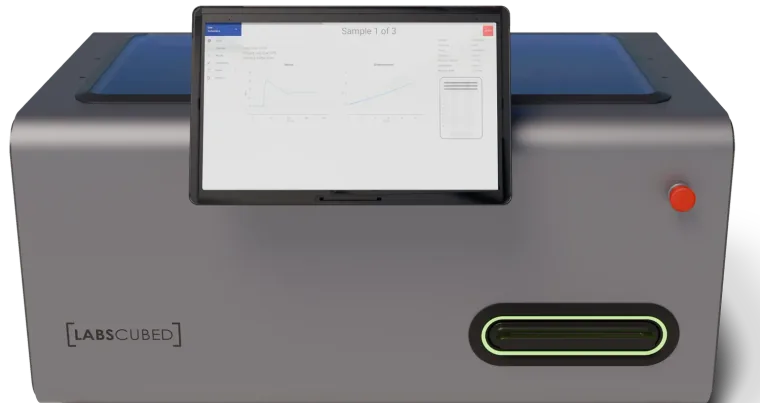


Powering the automated workflows of the industry's most advanced polymer and elastomer labs.








Industrial power.
Compact footprint.
Rubber Testing|
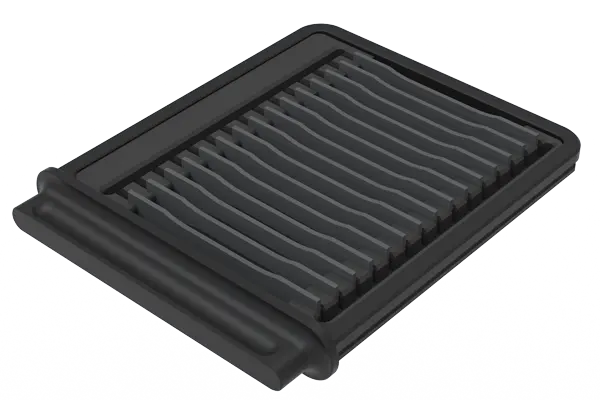
Every standard specimen our machines test.
From ASTM D638 plastics to ISO 37 elastomers — select a geometry to see its dimensions and matching standard.

Automated plastic tensile testing to ASTM D638 — loaded, gripped and measured unattended, end to end.
The 3-step setup.
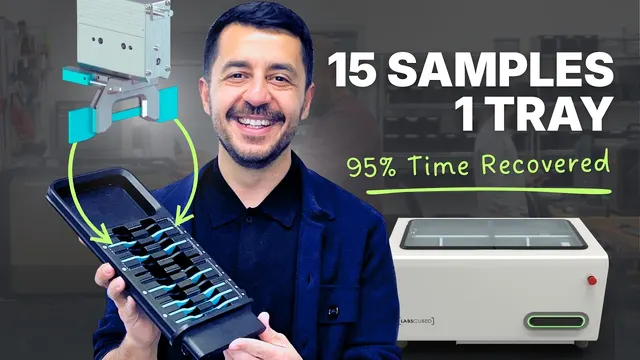
Load up to 15 Samples at a time
Place ASTM or ISO standard specimens onto the autonomous dual-gripper carousel.
Set Parameters, press start and walk away
Input test specifications via the intuitive native touchscreen or remote interface.
Let it run while your team moves on
The system automatically grips, pulls, and calculates everything without human intervention — freeing your team’s time for the work only they can do.
Find out which of our automated testing machines fits your lab, with a simple test.
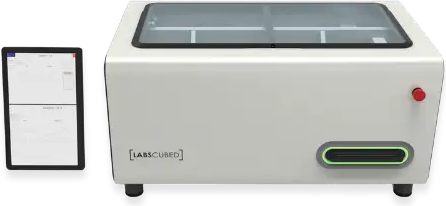
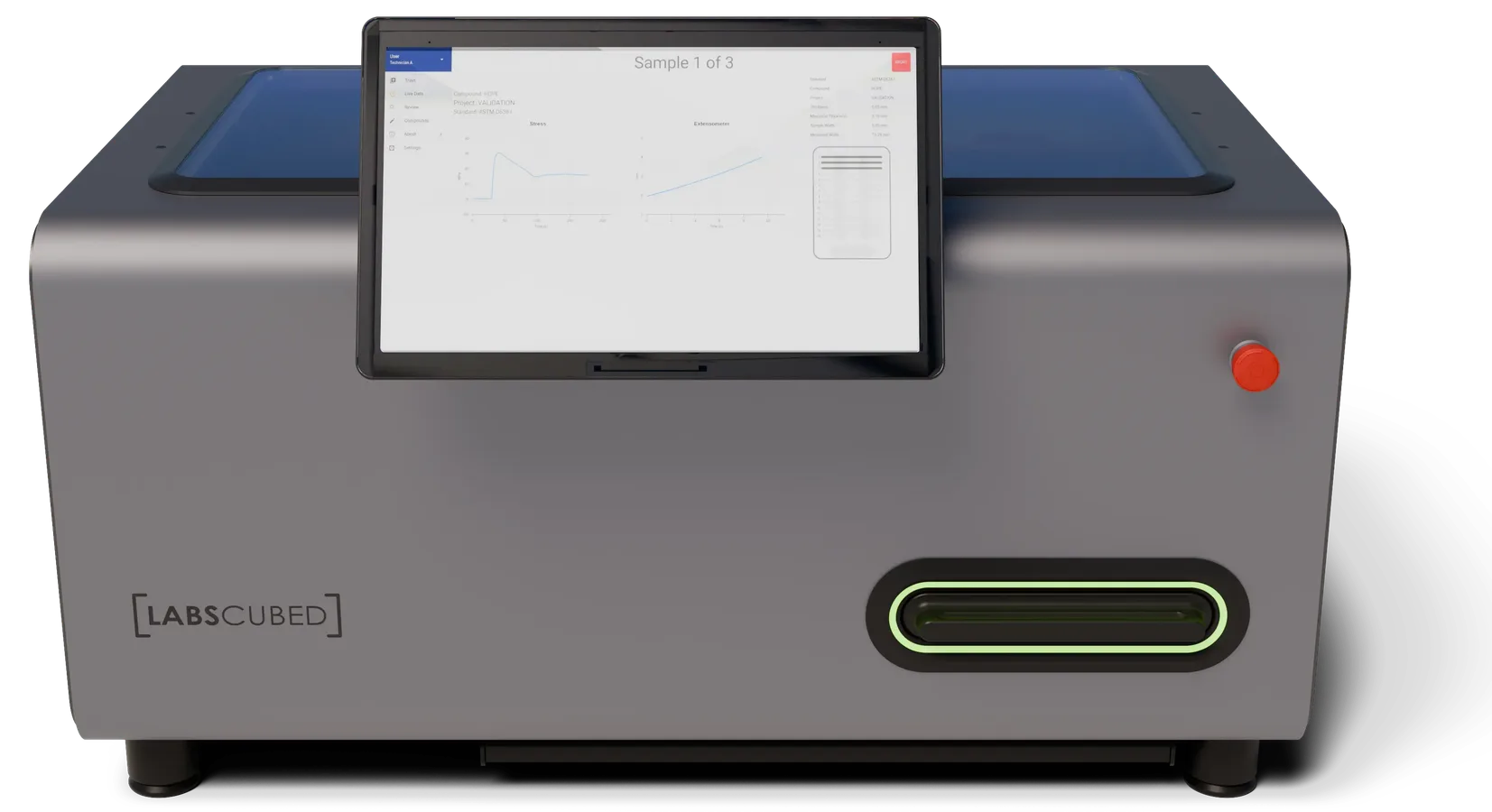
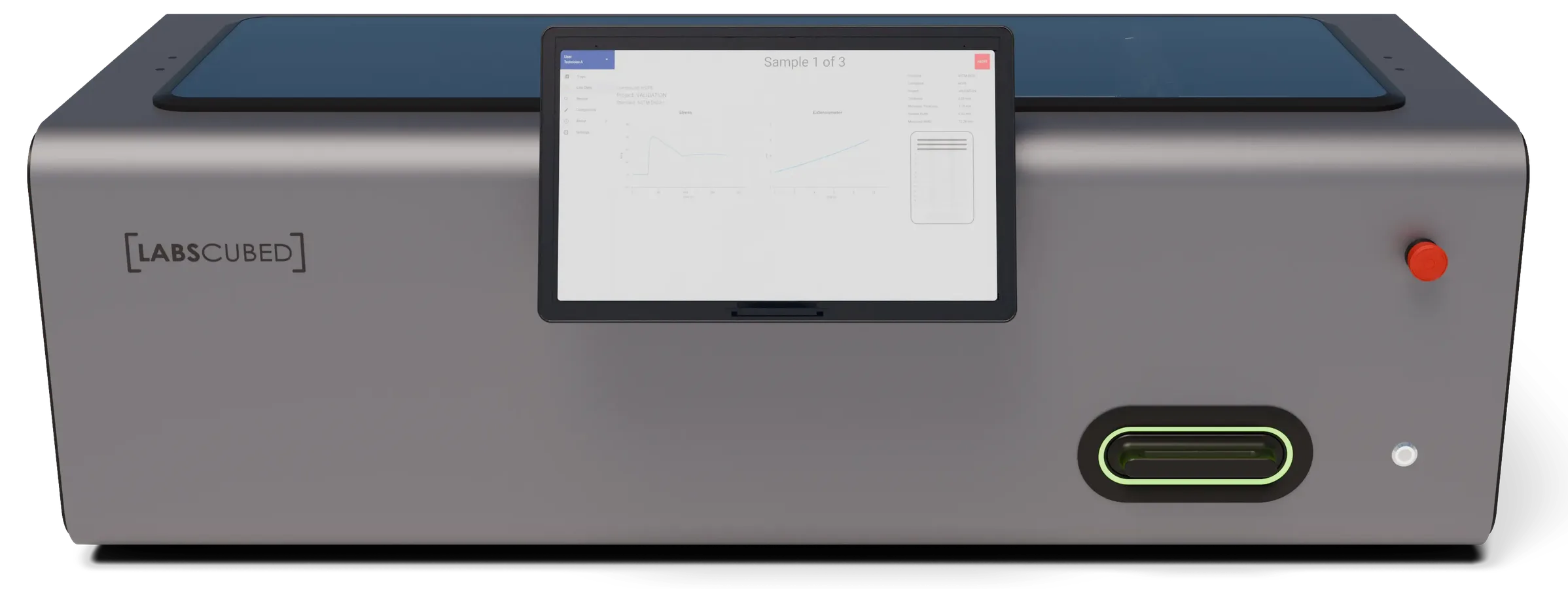
No massive infrastructural changes required. Designed to fit through standard lab doors and plug into conventional outlets while delivering uncompromising strength.
Access Your Data Instantly. Anywhere.
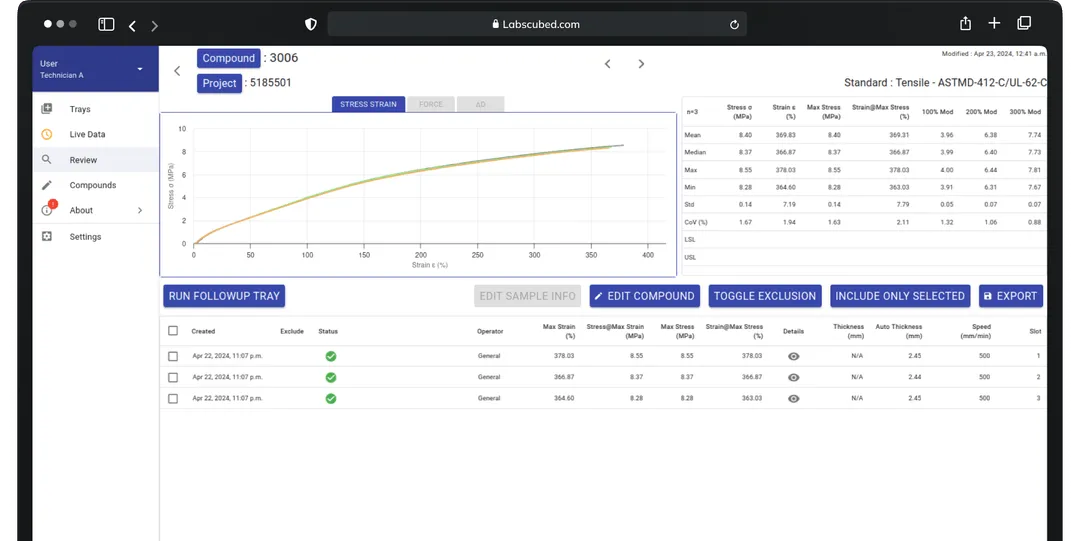
Every test streams straight into the LabsCubed Portal — your cloud workspace to review, compare and export results from anywhere. Need the data elsewhere? Our software team pipes it directly into the systems your lab already runs.



Built for the most demanding industries.
LabsCubed systems are deployed worldwide in facilities where failure is not an option.
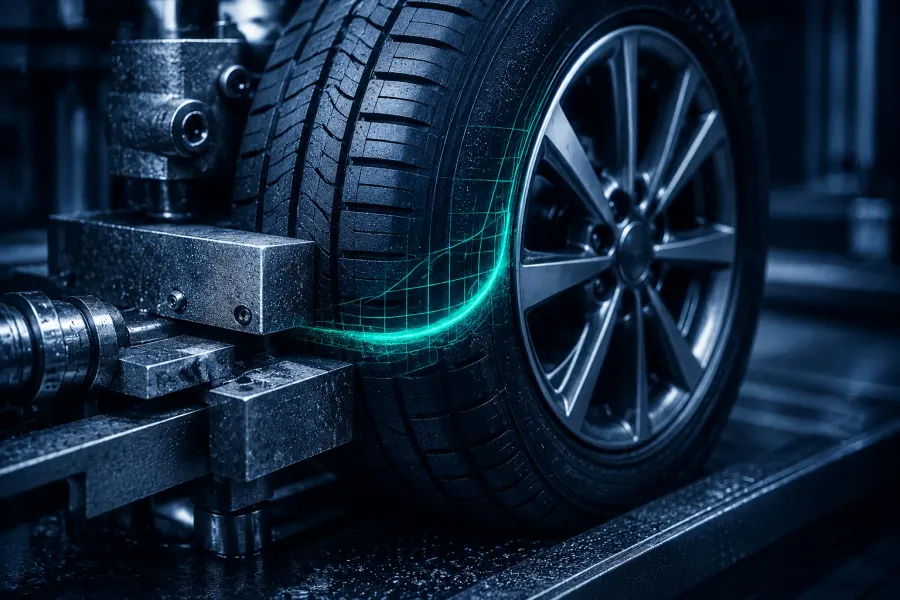
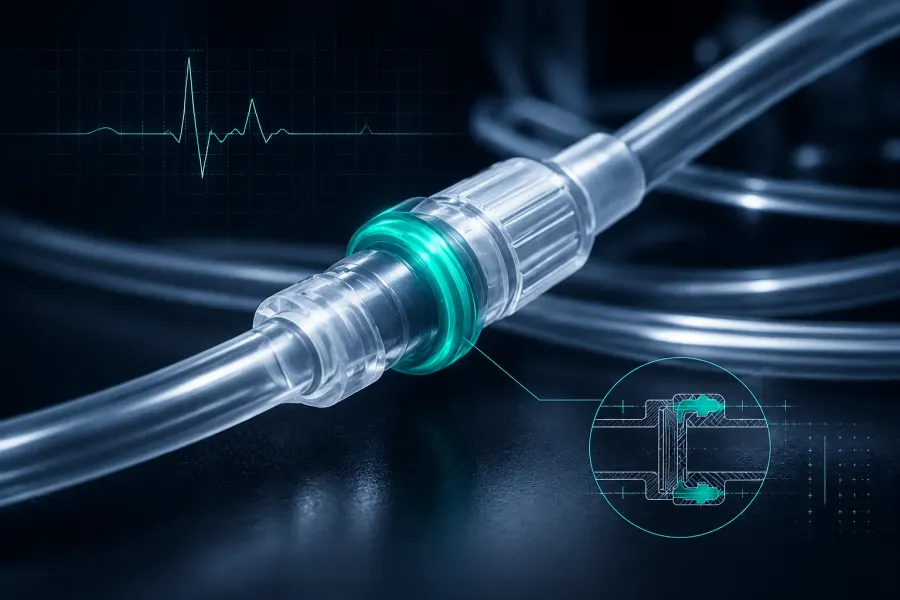
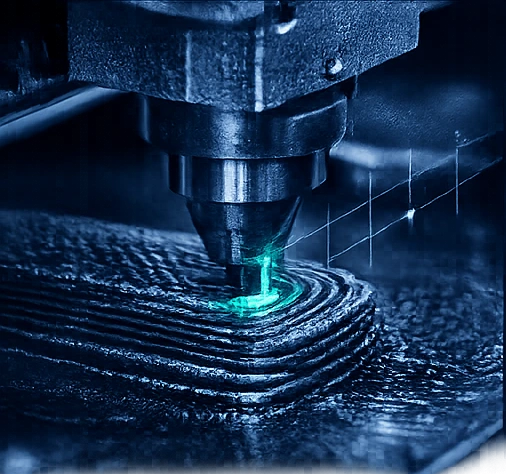
Anatomy of precision.
Every component is over-engineered. We stripped away the unnecessary to focus entirely on uncompromising stability and data integrity.
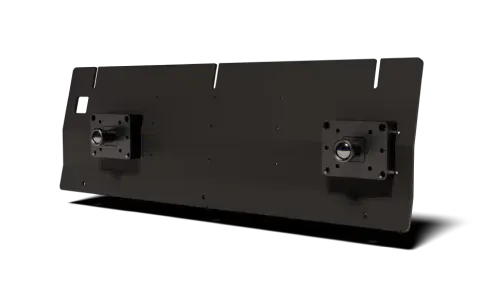
How CubeTen and CubeOne measure strain accurately
Our machines pair a built-in encoder with calibrated contact and non-contact extensometers, so every test is measured by the right method for the material.
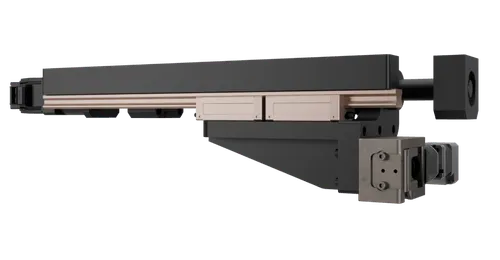
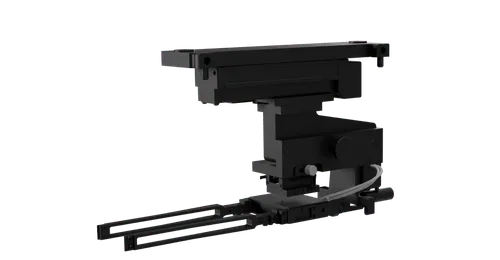
See CubeTen and CubeOne in action.
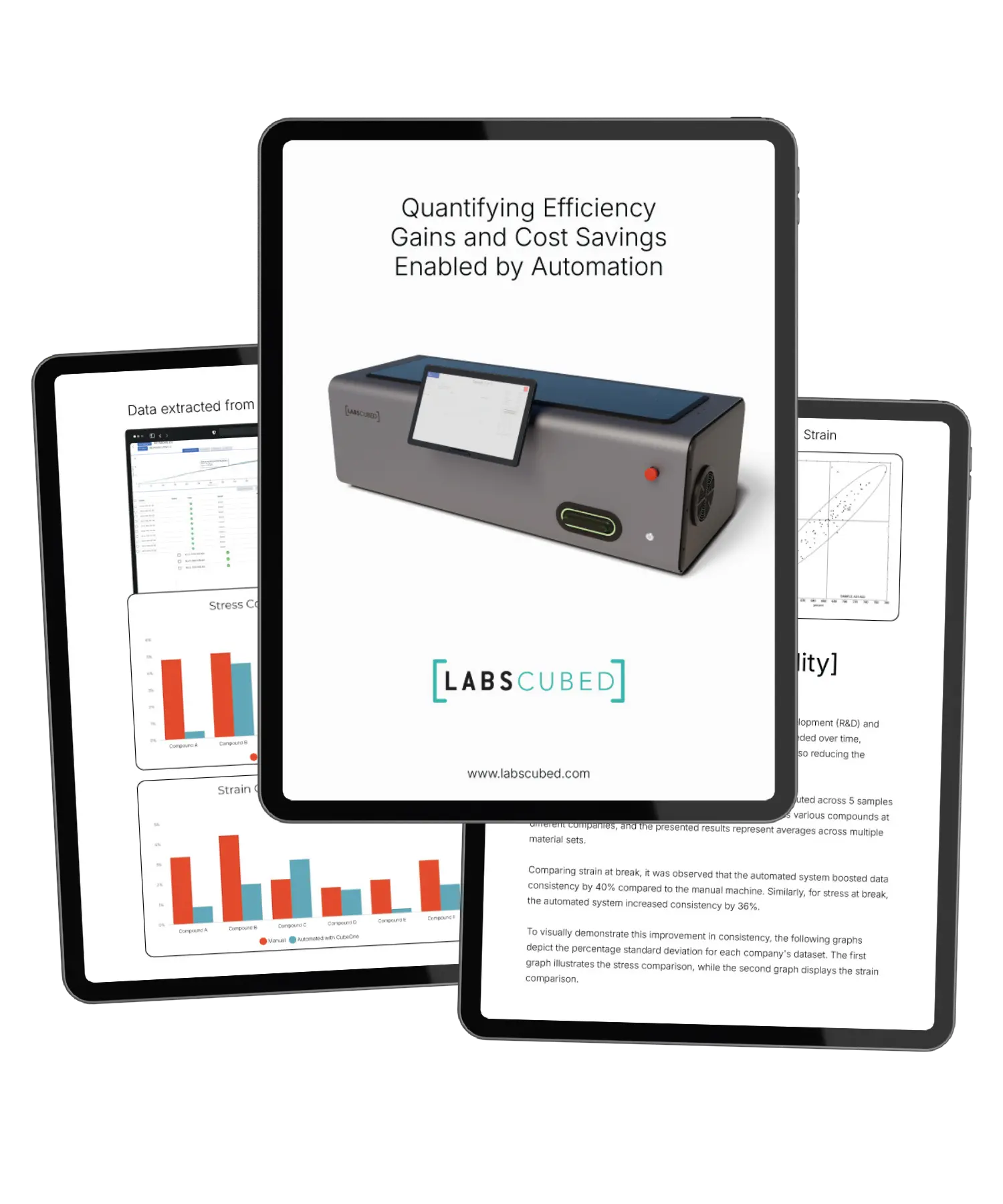
Beyond the bottleneck: a data-backed case for testing automation.
Download your business case for automation — the definitive data on cost reduction and eliminating human error.
Frequently asked questions
What does the onboarding and support process look like?
We offer a 'white-glove' setup. A LabsCubed specialist performs on-site installation, calibration to ASTM standards, and team training. Post-installation, we provide prompt remote support and annual on-site calibration services to ensure your equipment remains at peak performance.
What is the typical ROI for a LabsCubed system?
Most customers achieve a full return on investment in 18–24 months. This is achieved through labor efficiency — recovering 3–4 hours of technician time daily; 2-in-1 savings — replacing the need for separate tensile and flexure machines with one automated platform; and accuracy — reducing costly scrap and rework by eliminating operator-induced variability.
How do I access and visualize my test data?
Data is recorded instantly and can be accessed via the machine's touchscreen or the cloud-based AI Portal. Our software team ensures seamless integration with your existing infrastructure, including Alpha Workbench, Uncountable, SAP, and other LIMS/ERP systems.
What does LabsCubed do?
LabsCubed designs and manufactures high-performance automated material testing systems specifically for the rubber and plastics industries. Our flagship products, the CubeOne and CubeTen, automate the entire testing lifecycle — from sample measurement and robotic loading to AI-driven data analysis. By integrating robotics with our proprietary AI Suite, we help global manufacturers eliminate manual bottlenecks and achieve unmatched data consistency.
Who are LabsCubed products for?
Our solutions are engineered for Lab Managers, Quality Directors, and R&D Engineers at companies with medium-to-high testing volumes. LabsCubed is the ideal fit for facilities processing 50+ rubber samples or 10+ plastic tensile tests per day. We currently serve industry leaders like Bridgestone, Parker Hannifin, Hexpol, and AirBoss who prioritize high-throughput and operator-independent results.
What industries do you serve?
We specialize in the Rubber (Custom Compounding, Elastomers) and Plastics (Compounding, Processing) sectors. Our technology is a staple in the Automotive, Medical Device, Aerospace, Wire & Cable, and Consumer Goods industries, where precision in material properties like tensile and flexure strength is critical for safety and performance.
What makes LabsCubed different from traditional testing equipment providers?
Unlike traditional Universal Testing Machines (UTMs) that require a technician to load every sample manually, LabsCubed offers 2-in-1 Intelligent Automation. We combine high-precision hardware for both Tensile and Flexure testing with an AI-driven software ecosystem. This allows for up to 85–95% recovery of technician time, 40% higher data consistency, and conversational data analytics that you won't find in manual systems.
What are the key differences between the CubeOne and CubeTen?
CubeOne is best for Rubber and Elastomers. It features a force capacity of up to 1kN and is optimized for high-elongation materials. CubeTen is engineered for Rigid Plastics and High-Strength materials. It provides a force capacity of up to 10kN and supports specialized testing like Single Lap Shear and T-Peel adhesives.
What types of materials can your systems test?
Our systems are designed for a vast range of polymers tested at ambient temperatures. Rubber/Elastomers: NR, SBR, EPDM, NBR, and Silicone (VMQ). Plastics: PP, HDPE, PVC, ABS, Polycarbonate (PC), Nylon (PA), POM, PBT, and TPU. Thermosets: Epoxy and Phenolic Resins.
Which testing standards can your equipment meet?
LabsCubed systems are fully compliant with major international standards, ensuring easy integration into any certified lab. Tensile: ASTM D412 & ISO 37 (Rubber), ASTM D638 & ISO 527 (Plastics). Flexure: ASTM D790 & ISO 178. Tear: ASTM D624 (Types B and C). Adhesives (CubeTen): Single Lap Shear and T-Peel.
Does the horizontal design affect accuracy compared to traditional vertical UTMs?
No. LabsCubed has 10 years of comparative test data proving that our horizontal orientation delivers results identical to traditional vertical machines. This design is what enables our high-speed robotic loading. Our systems are precision-calibrated to ensure gravity and friction have zero impact on load readings, a fact validated by our long-term partnerships with global giants like Bridgestone and Parker Hannifin.
At what temperature conditions do the machines perform tests?
LabsCubed systems are optimized for high-throughput testing at standard laboratory ambient temperatures. This focus allows us to provide the fastest, most reliable automated workflow for high-throughput quality control and R&D. We do not currently support extreme high or low temperature testing (e.g., environmental chambers).
What is the LabsCubed AI Suite & AI Portal?
This is our proprietary software ecosystem that transforms your lab into an innovation hub. Key features include AI-Enhanced Vision — precision elongation measurement that ignores marking imperfections, significantly reducing failed tests; Predictive Maintenance — the AI monitors machine health and performs 'self-recovery' for minor issues, minimizing downtime; and Conversational Analytics — through the AI Portal, you can ask your data questions (e.g., 'Compare batch A to batch B') in plain English, rather than manually sorting through spreadsheets.